
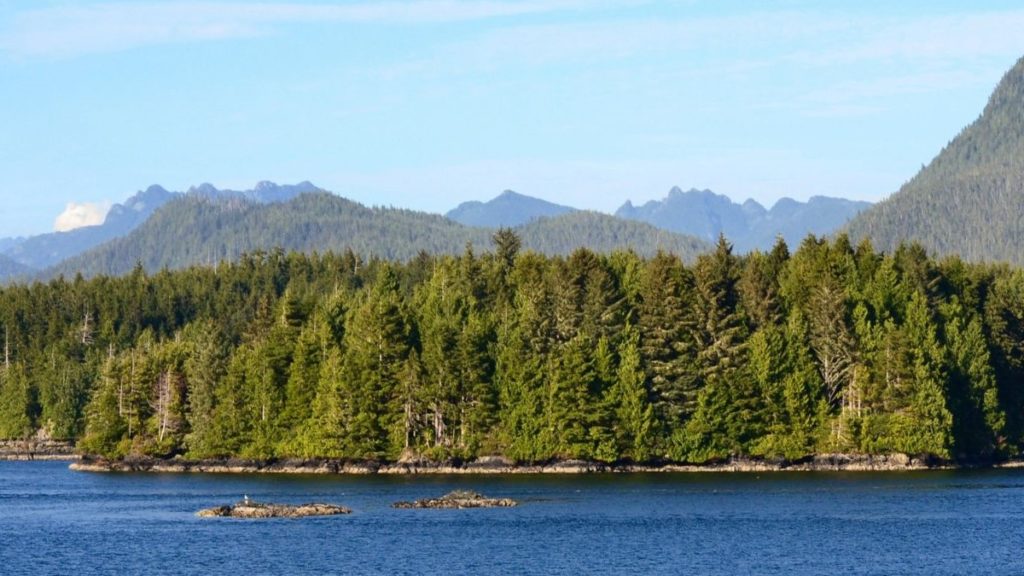
Trees of the Pacific vary with the climates from deserts, subtropical environments and mountain ranges. The furtherer north we find rain forests and the land of the Giants. Yes, the Pacific coastal region is the true land of giants. Not your everyday backyard tree, but still worth mentioning.
Coastal redwood (Sequoia sempervirens) and Giant redwood (Sequoiadendron giganteum)
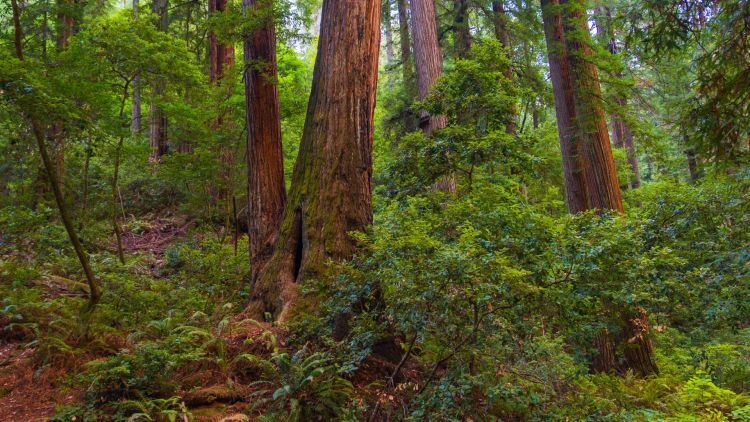
- Giants that can exceed 300 feet in height.
- These monsters are home to several forms of wildlife and the tiny 1 inch cones offer seed to the wildlife.
Sugar pine (Pinus lambertiana)
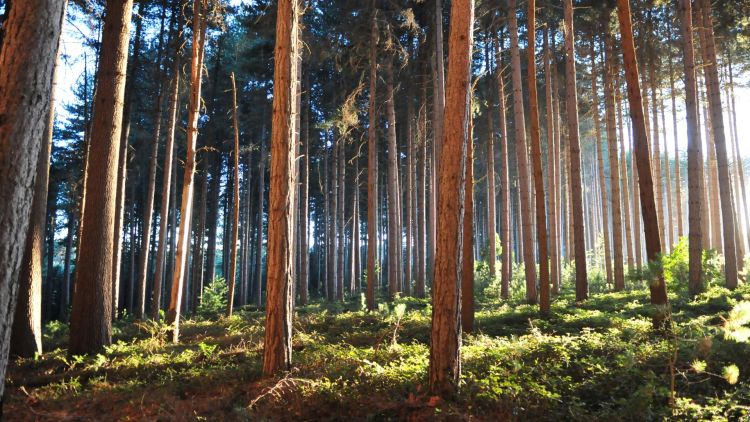
The world’s largest pine tree topping out at 300 feet.
- The pines cones are something to behold as well, reaching lengths of 24 inches and filled with large edible nuts.
- Sugar pine get the name from the sugary sap that was favored by the American Indians.
Big-cone pine (Pinus Coulteri)
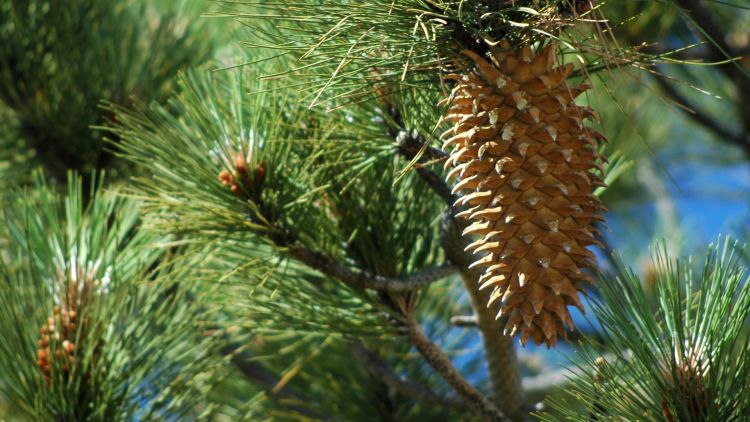
Found in Mexico up the coast through the southern half of California.
- They can grow to 80 feet with soft needles in clusters of three that grow to 10 inches.
- Backyard birds enjoy the nuts of the 12 inch long cones that can weigh between 4 and 5 pounds each.
Monterey pine (Pinus radiata)
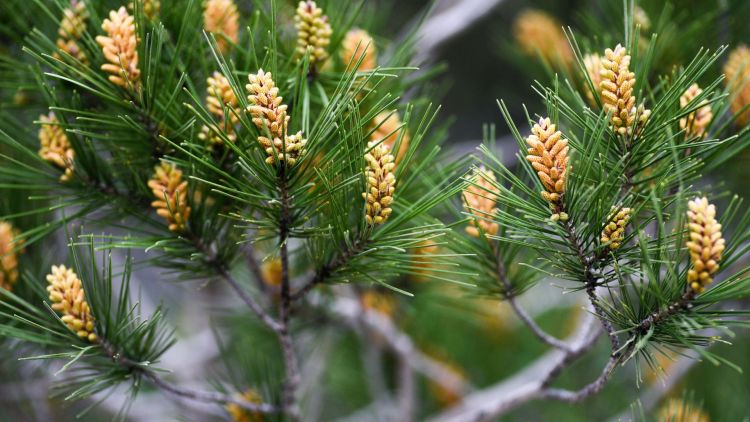
A very limited range in the wild, growing around the Monterey Peninsula.
- Growing to 100 feet with soft needle in bunches of three.
- Cones may hang around for up to 30 years.
Tanbark oak (Lithocarpus densiflorus)
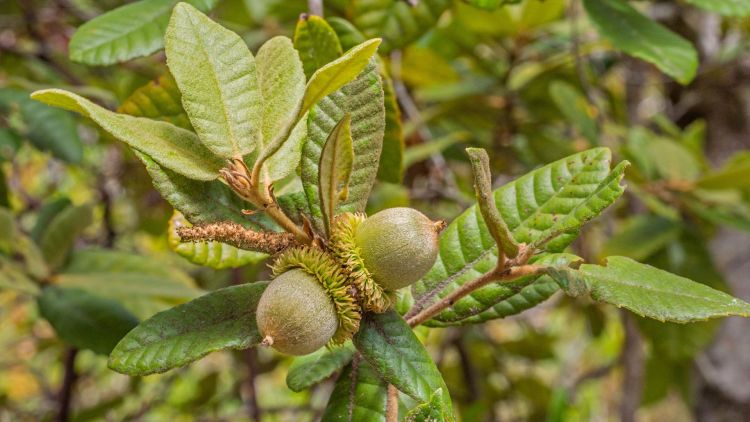
A specialty oak type tree in the Pacific northwest.
- This is not a true oak, but closely related.
- An evergreen that can reach 80 feet in height produces acorn shaped fruits.
Western red cedar (Thuja plicata)
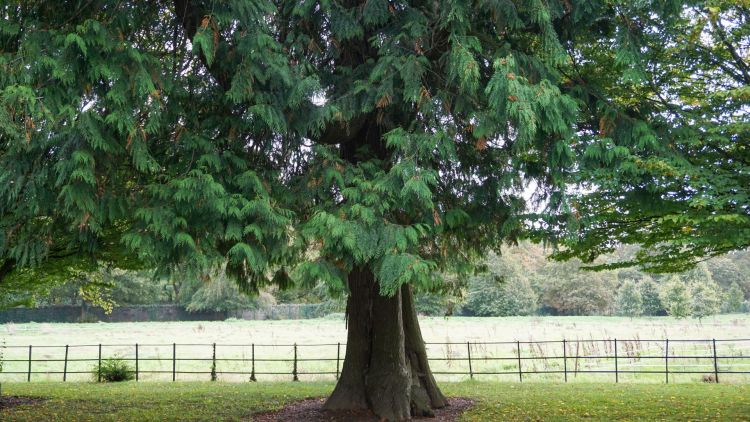
A narrow tree that reaches 165 feet.
- Used as a specimen or windbreak, you can go wrong with this sweetly scented tree.
- Backyard birds and wildlife enjoy food and protection.
Western Junipers (Juniperus occidentalis)
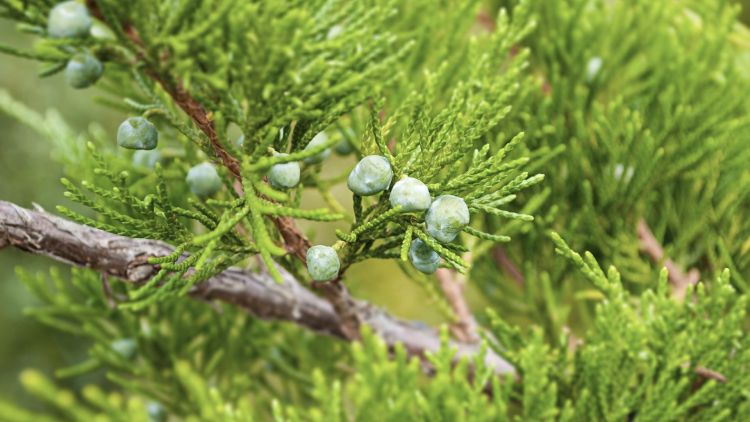
Found in the Pacific northwest.
- A broad shaped tree of 70 feet. The fruit is dark blue and about 1/2 inches long.
Western hemlock (Tsuga heterophylia)
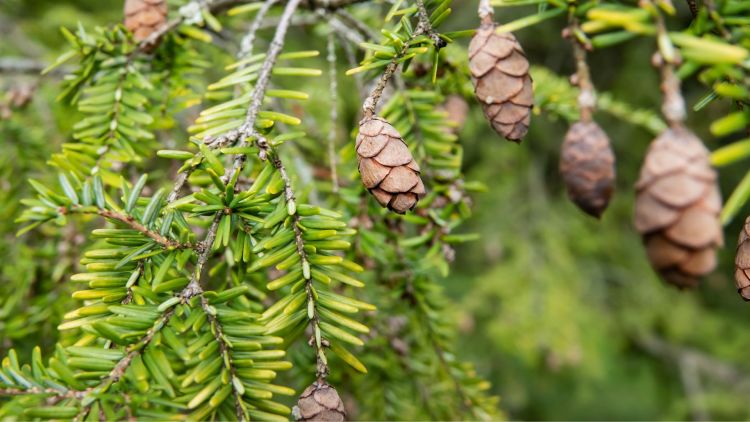
Another giant at 200 feet.
- This tree is ideal for lower mountain elevations.
- A beautiful shaped tree with tiny 1 inch cones.
Mountain hemlock (Tsuga mertensiana)
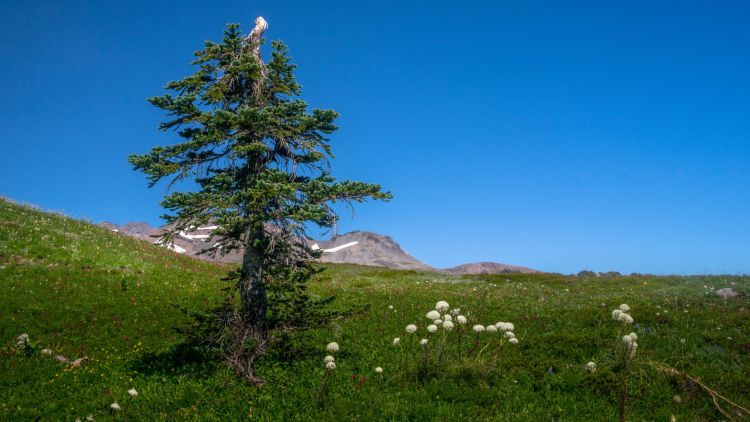
Cover much of the same range as it’s cousin above. From southern California all the way to the southern half of Alaska.
- A runt when it comes to West coast trees, at 100 feet.
- Very nice shape and bares 3 inch cones.
- Both Hemlocks are native trees of the Pacific and ideal for backyard birds and wildlife.
Noble fir (Abies procera)
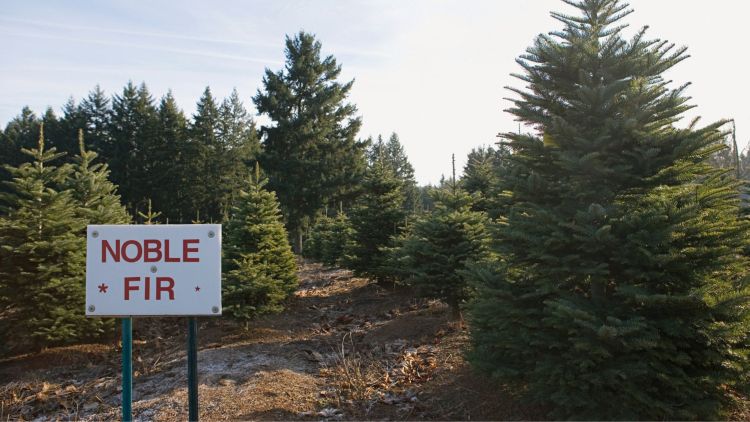
The grandest of all the fir trees!
- Yet another giant at 260 feet. ideal growing conditions are lower levels in the mountains (below 5,000 feet)
- Cones can grow up to 10 inches offer food for birds and wildlife,
- A fantastic specimen tree.
Sorrel tree (Umbellularia californica)
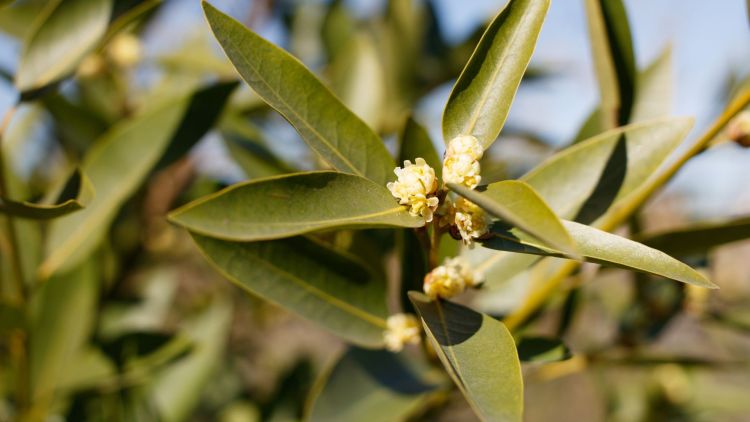
Sorrel trees are found throughout the lower two thirds of the United States.
- Also called California bay, California olive and Oregon myrtle.
- A broad spreading tree up to 100 feet tall. It produces a purple 1 inch long fruit
Paper birch (Betula papyrifera)
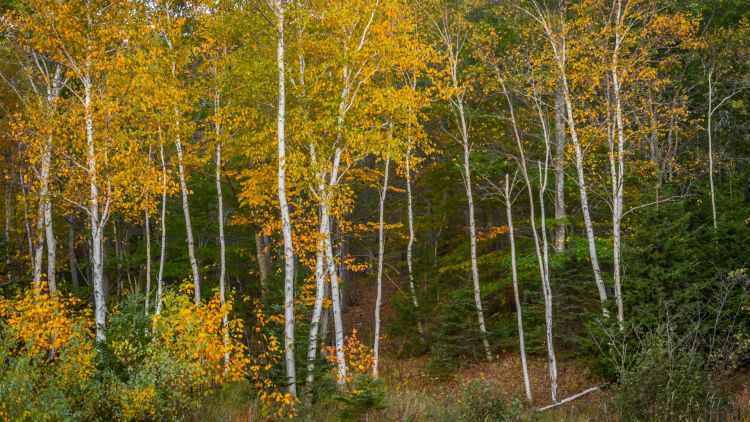
Grows to 65 feet and is found throughout much of North America.
- An extremely hardy tree anywhere it grows native. Often found in clumps in the landscape.
- Needs water to do well.
- Catkins produce tiny seeds for birds.
Red alder (Alnus rubra)
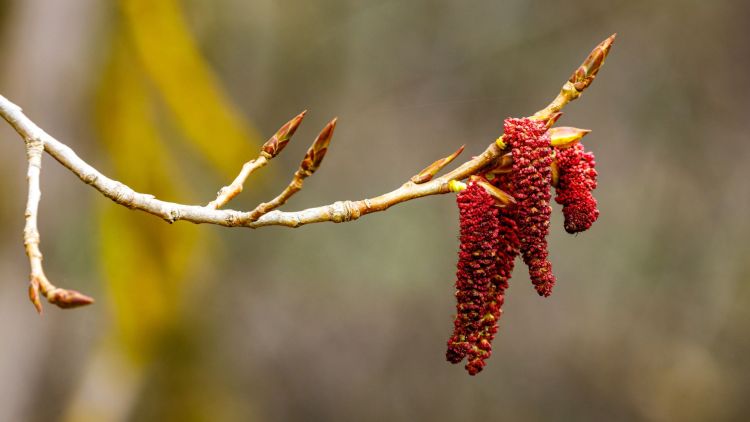
Found along the west coast from Alaska to northern California.
- A medium sized tree at 50 feet.
- It is a prominent tree of the lower Cascades and valleys and does best in damp conditions.
- Red alder produces conical shaped fruits.
White alder (Alnus rhombifolia)
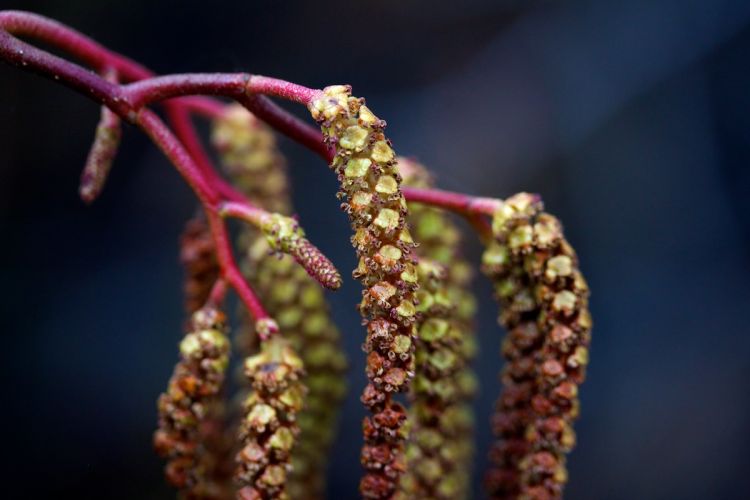
Found throughout the western portion of the United States.
- A 100 foot tree found near running water in canyons and the Rocky mountains.
- Like its cousin, it bares cone shaped fruits.
Oregon maple (Acer macrophyllum)
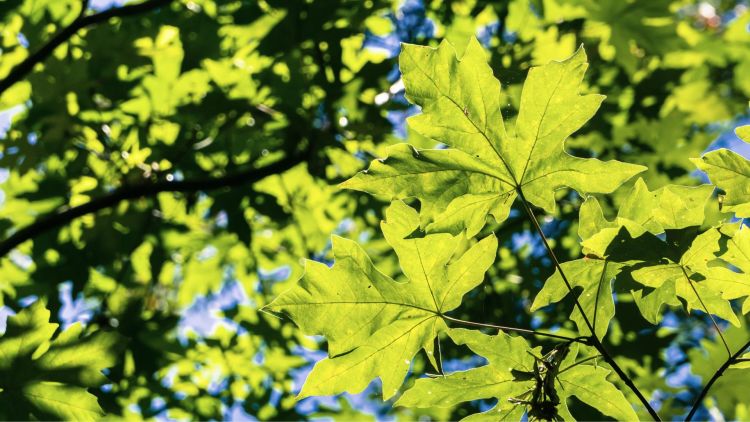
- A broad shaped tree that reaches 80 feet and offers up winged seeds like other maples.
Pacific dogwood (Cornus Nuttallii)
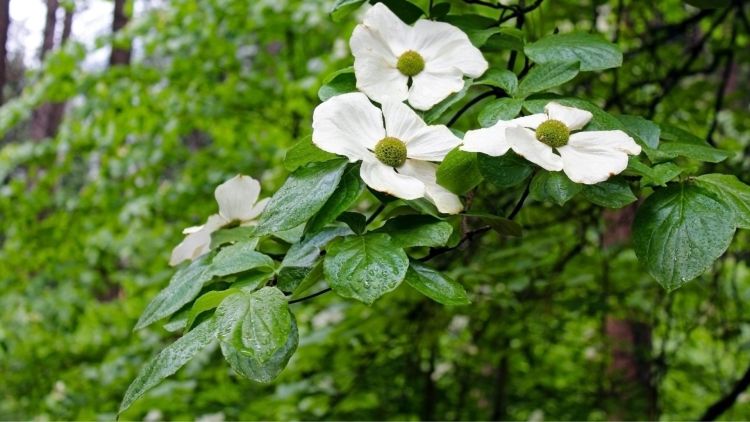
Grows throughout the region, often found in the understories of larger trees.
- As a cultivated tree, it seldom reaches all of its glory.
Pacific Madrone (Arbutus menziesii)
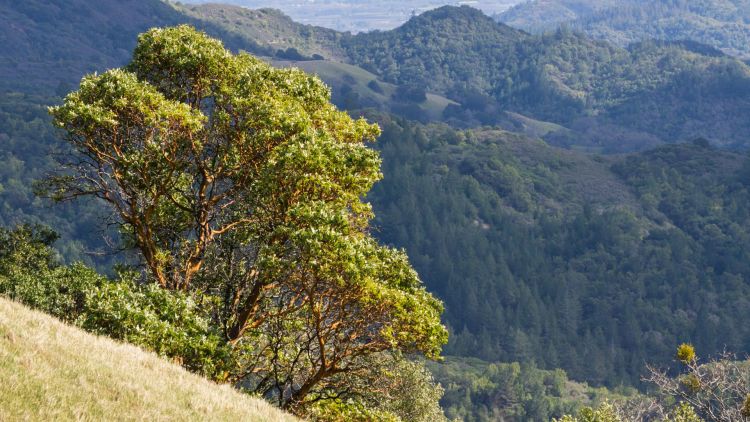
- Grows to 130 feet and produces fruit in the fall.
Other native trees are the California live oak (Quercus agrifolia), Canyon live oak (Quercus chrysolepis) and Valley oak (Quercus lobata). All offer up acorns for birds and wildlife. Another pine tree of the Pacific includes the Lodgepole pine (Pinus contorta), which is a valuable tree in the mountain region.
If you have room for a native tree or stand of trees, you will reap the rewards year round. We rely on trees and so does the wildlife.
—