
Painted (Cosmopolitan) Butterfly
( cardui)
The variety of the Painted happens throughout, consisting of Alaska and Hawaii.
It is nonetheless, more probable to be seen in the north United States and southerly.
This varieties is not a long-term resident as many butterflies are.
It normally will recolonize from north Mexico adhering to the beginning of spring as well as warmer climate.
Additionally known as the Cosmopolitan butterfly, it ranges throughout the world because of its emigrating routines.
Emigration, not migration might happen in varieties as butterflies remove for lands unidentified.
Rarely do emigrating people make it through cold winters, but under favorable conditions, new butterflies will certainly recolonize from south of the border the complying with springtime.
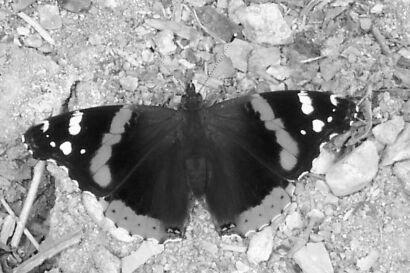
Description:
The Painted butterfly is mostly orange over, with black and white wing pointers as well as lack areas on the back wings.
It is many-patterned below, with a row of tiny eyespots on the back wings.
From wing suggestion to wing suggestion, this butterfly measures 2 inches to 2 and also 1/2 inches
Habitat:
The varieties often visits gardens, parks, fields, deserts, and open areas.
You can attract these girls with little initiative as long as you have nectar blossoms.
Routines:
Occasionally it emigrates in mass and can be seen flying reduced to the ground.
Male normally perch and wait on passing females, yet there are times when they patrol for them too.
Larvae as well as Hosts:
Larvae feed upon a wide variety of host plants, yet they specifically like thistle (Cirsium).
They likewise enjoy mallow (Malva) and hollyhock (Alcea).
The larvae are green, multicolor with black, as well as have dark unshaven spinal columns running down the body.
Nectar Plant kingdoms:
This Cosmopolitan butterfly enjoys aster (Aster), universe (Cosmos), thistle (Cirsium), buttonbush (Cephalanthus) as well as a host of various other nectar rich flowers.
Painted and also Other Butterflies
A Butterfly Friendly Lawn
Produce a Butterfly Garden
Butterfly
A lot more on Butterflies
Fresh Water for all Your animals
Share your passions, I am with « laquo
SBI raquo Butterflies, Birds, Gardens as well as a lot more.
for your weekly « laquo Horticulture For Wildlife» raquo newsletter today.
Enter your E-mail Address
Enter your First (optional)
After that
‘t worry— your e-mail address is absolutely protected.
I guarantee to utilize it just to send you Gardening For animals.
( C) Copyright Gardening-For-Wildlife. com 2006 —— 2019 SBI!