
3 Typical Orioles
of
Orioles do not wintertime in the United States, yet return during the reproducing season. There are 8 types that breed in the USA. The two most prevalent types in the are the Baltimore and Orchard and also the ‘s in the. These exotic colored birds. are arboreal and also often tend to feed in the cover. varieties have the ability to endure in open woodlands and also timberlands, although a couple of are restricted to shut forest.
They are opportunistic omnivores, with the major parts of their diet being fruit, berries, as well as arthropods.
These birds can be attracted to your backyards and gardens with grape jelly, oranges as well as nectar water filled feeders.
Dry yard, strips of thread and other products can be supplied as nesting materials.
They build their nest in tall trees and on branches as far out as possible for security.
Specific species prefer particular trees, however will certainly create nests in nearly any excellent area.
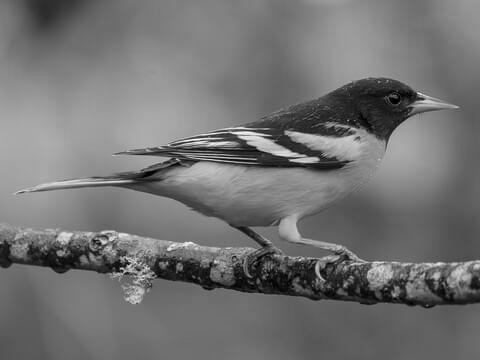
You might see a flash of fire via the air, or listen to an abundant, high, whistled tune.
The Baltimore Oriole can not be mistaken. The exotic whistling or song of the Baltimore, echos from treetops. I always here them before I see them.
Without a doubt a welcome indicator of spring in eastern.
The male’s brilliant orange plumage blazes from high branches.
on fruit and nectar along with bugs, it is simple to attract this beauty to yard feeders, especially if you offer a tree or two for security.
The Orchard are more controlled in shade and not as common. The tiniest American types, you might discover this bird nesting in shade trees along streams, rivers as well as lakes, and also on ranches as well as parks.
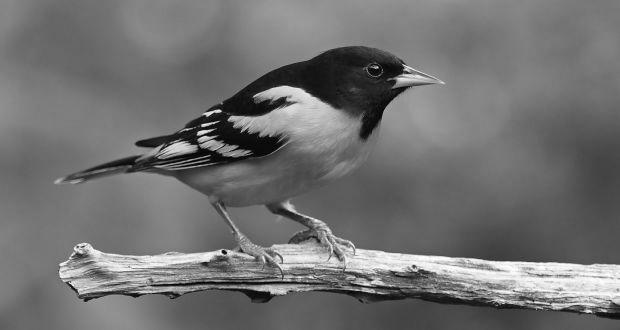
Once in a while one will visit my seed feeders.
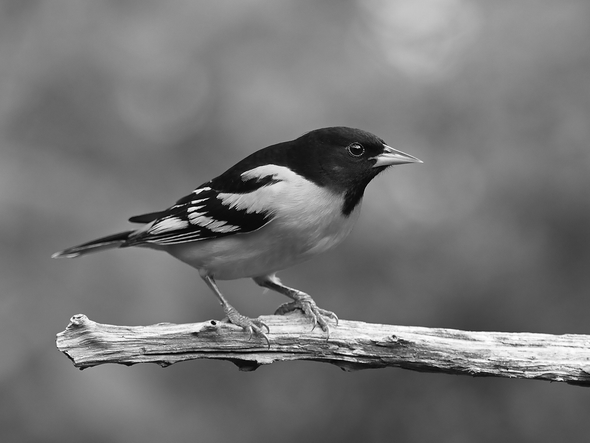
the, the brilliant ‘s is king. A bird of open forests in the American, this species is particularly fond of tall trees along rivers and streams.
Other than hummingbirds, they are maybe the most famous neotropical migratory bird.
Click on the web links listed below for a quick account of the three most usual or these neotropical birds.
Baltimore Orioles
’
r s Orchard Return to
Typical Accounts
Produce a Wildlife Habitat in Your Gardens
Birds, Butterflies, Gardens as well as A lot more. Sign up below for your Weekly Horticulture For animals’ r newsletter.
Enter your Email Address
Enter your First (optional)
After that
‘t fear— your e-mail address is completely safe.
I guarantee to use it only to send you Gardening For animals.
( C) Copyright Gardening-For-Wildlife. com 2006 —— 2019 SBI!